
Taking Good Photos
Present your bottle with confidence
Good photos are one of the biggest factors in a successful listing. They help buyers assess condition, verify authenticity, and decide whether your bottle is what they’re looking for. You don’t need professional equipment — a smartphone, natural light, and a bit of care go a long way.
This guide covers nine practical principles. Each one is simple to apply and makes a real difference in how your listing comes across.
Use natural light
Natural daylight produces the most accurate colours and avoids the harsh shadows or yellow tint that artificial lighting often introduces. Position your bottle near a window with indirect light — direct sunlight can cause glare on glass and wash out label details.
If natural light isn’t available, use a well-diffused, neutral-coloured lamp. Avoid mixed lighting (e.g., daylight from a window combined with a warm desk lamp), as this creates uneven colour casts that make your bottle look different from photo to photo.
Tip: overcast days are ideal. The cloud cover acts as a natural diffuser, producing even, soft light without harsh highlights.
Examples

With artificial light 
With natural light Clear the clutter
The bottle is the subject — everything else is a distraction. Before photographing, remove any objects that don’t belong in the listing: keys, papers, other bottles, food, remote controls, and anything else that draws attention away from what you’re selling.
A clean, neutral background works best. A plain table, a solid-coloured surface, or even a sheet of paper behind the bottle keeps the focus where it belongs.
Examples

With cluttered surroundings With tidy surroundings Keep the camera still
Blurry photos make it impossible for buyers to read labels, assess condition, or trust what they’re seeing. Hold your phone with both hands and brace your elbows against your body, or rest the phone against a stable surface. If your phone has a timer or voice shutter, use it to avoid the shake that comes from tapping the screen.
Take a moment after each shot to zoom in and check sharpness. If the label text isn’t crisp, retake the photo.
Examples
Camera moved – uncentered picture 
Camera moved – blurry picture Camera still – centered and clear Focus on worthwhile details
Beyond the standard overview shots, capture close-ups of anything a buyer would want to inspect:
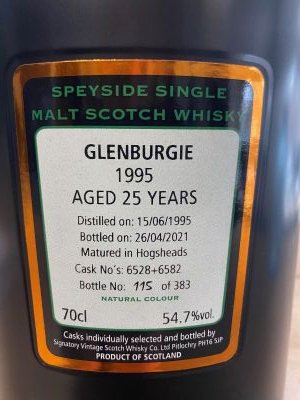
- Label text, especially batch numbers, ABV, and bottling year
- Capsule and seal condition
- Any damage: scratches, chips, tears, or stains
- Special features such as embossing, holograms, or unique markings
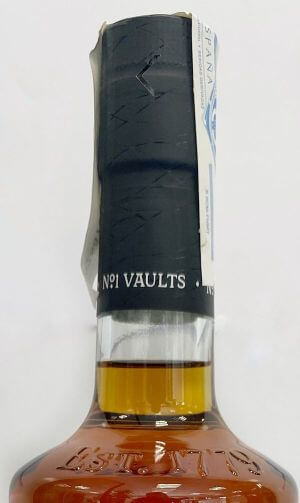
- Fill level (photograph at eye level for accuracy)
If there are flaws, photograph them clearly. Trying to hide imperfections leads to disputes. Showing them upfront builds trust and sets correct expectations.
Examples

Close-up of bottle fill level 
Close-up of bottle label Close-up of packaging highlight Exhibit the contents
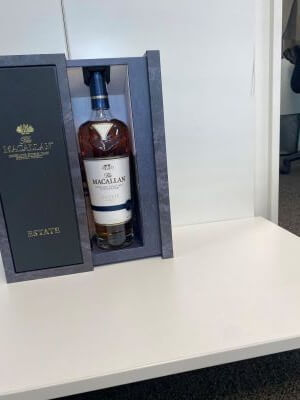
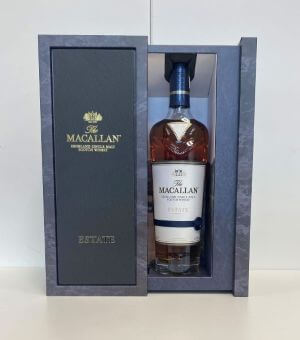
If your listing includes packaging, a presentation box, booklets, or other accessories, arrange them together in a way that shows the buyer exactly what they’ll receive. Place the bottle in or beside its box with any extras clearly visible.
Photograph the packaging open and closed if possible. For presentation cases, show the interior as well. Buyers want to see the condition of foam inserts, satin lining, or any branding inside the case.
Examples
Bottle and packaging exhibited Bottle, packaging and additional item(s) exhibited Stay out of the picture
It’s surprisingly easy to end up in your own photos. Watch for:
- Fingers: holding the bottle while photographing. Set it down instead.
- Reflections: glass bottles act as mirrors. Check for your reflection (or your phone) in the glass before shooting.
- Shadows: your own shadow falling across the bottle or background.
- Feet: when photographing from above, check the lower edge of the frame.
A quick review after each shot catches these easily.
Example
Unintentional (partial) selfies No filters or editing
Do not apply filters, colour adjustments, beauty effects, or any other post-processing to your photos. Buyers need to see the bottle as it actually is, not as it looks through an Instagram filter.
Cropping and straightening are fine. Adjusting brightness slightly to compensate for a dark environment is acceptable. But altering colours, contrast, sharpness, or saturation misrepresents the item and can lead to disputes.
If you find yourself needing or wanting to apply various kinds of filters or editing, then you may simply require better photos to begin with. Good photos don’t need post-processing.
Examples
Edited and filter(s) applied Unedited, unfiltered, clear and honest Clean surfaces
Before photographing, wipe down the bottle and any packaging. Dust, fingerprints, and smudges show up clearly in photos and make even a well-kept bottle look neglected. Pay attention to:
- The glass surface — a quick wipe with a lint-free cloth removes fingerprints
- The capsule and shoulder of the bottle — dust collects here
- The background surface — crumbs, stains, or marks on the table are distracting
- Packaging — dust the box or tube before photographing
Examples
On a dirty surface On a clean surface Show all sides
A single front-facing photo isn’t enough. Buyers need to see the full picture. At minimum, photograph:
- Front label (straight on, fully readable)
- Back label (including any small print, barcodes, or batch info)
- Capsule and top of the bottle
- Base of the bottle (if it contains markings or a stamp)
- Both sides of the bottle (to show fill level and any side-specific wear)
- Packaging — front, back, top, and interior
Think of it this way: show a buyer everything they’d inspect if they were holding the bottle in their hands.
Examples
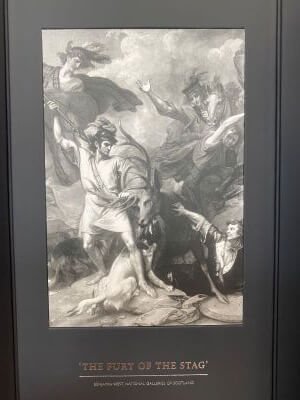
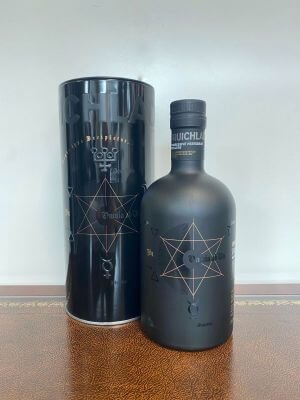
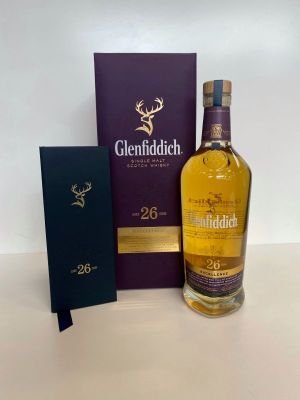
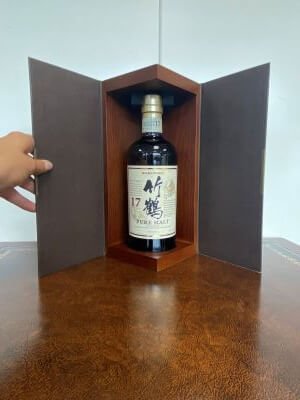
Front view – packaging open Front view – packaging closed Side view of packaging Backside of packaging
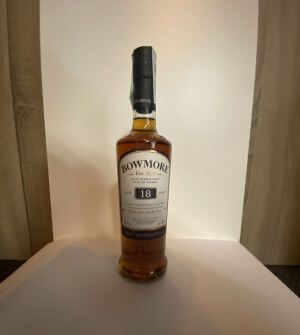
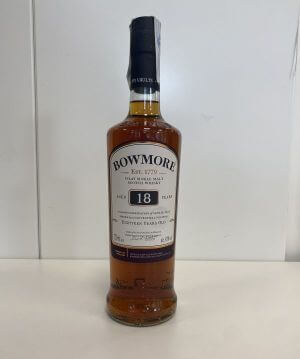
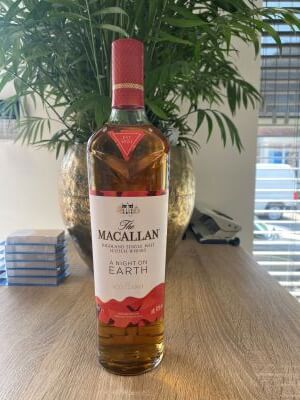
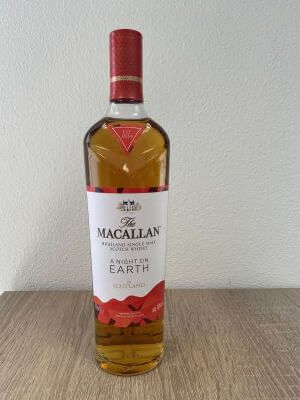
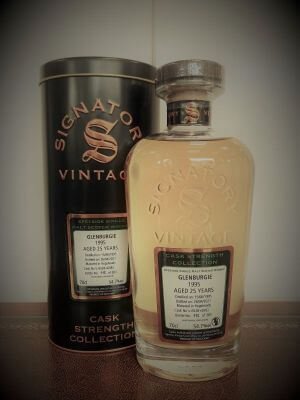
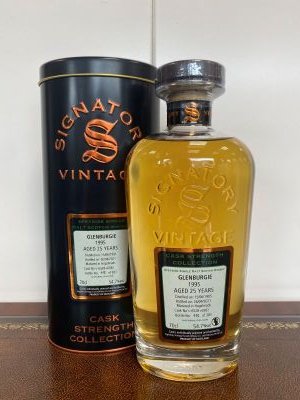
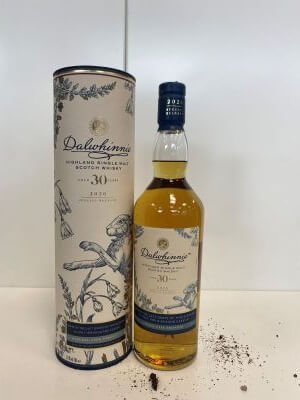
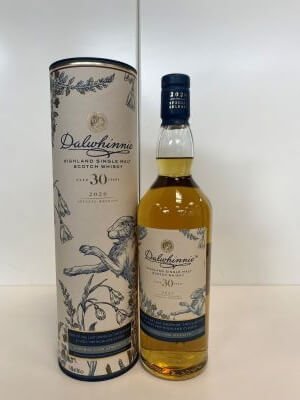
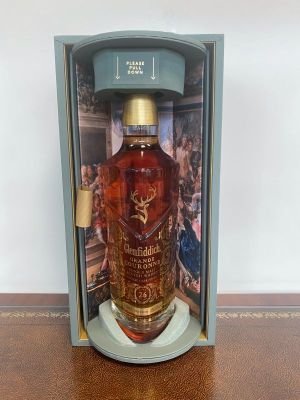
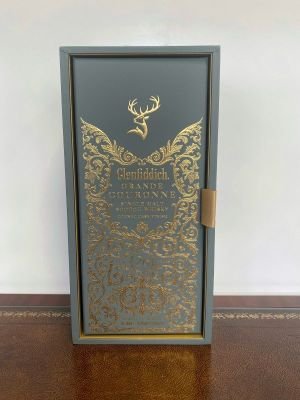
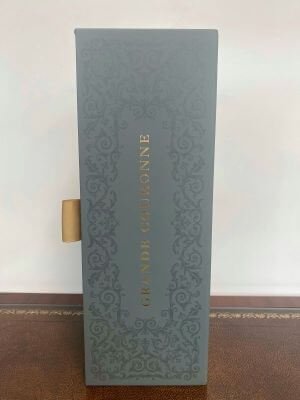
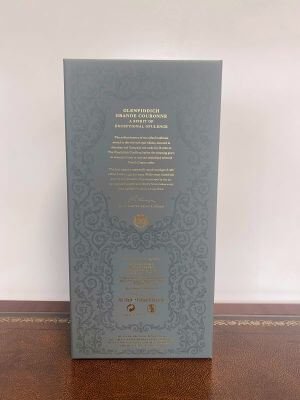
Quick checklist before uploading
- All photos are sharp and in focus
- Label text is readable when zoomed in
- Colours look natural — no filters applied
- Background is clean and uncluttered
- No fingers, reflections, feet, or shadows in frame
- All sides of the bottle and packaging are shown
- Damage or flaws are documented clearly
- Fill level is visible at eye level
- All items included in the listing are photographed